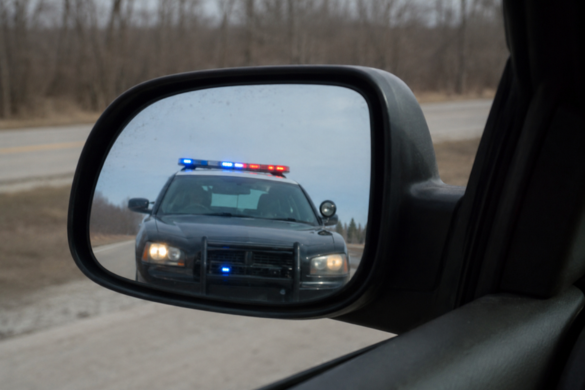
Getting a speeding ticket does not always mean your only option is to pay the fine. Many drivers assume that once an officer writes a citation, the case is over. In reality, every speeding ticket depends on the facts, the evidence, and how the speed was measured. Over the years, Attorney John Bayer has represented drivers in traffic cases throughout Wisconsin, and one thing has become clear: every citation deserves a closer look before you decide to plead guilty.
Some speeding tickets are well supported by the evidence. Others raise questions about how the stop was conducted, whether the speed reading was accurate, or whether the officer correctly identified the vehicle. If you are considering fighting a speeding ticket in Wisconsin, these are five defense strategies that may apply depending on the circumstances of your case.
Most speeding tickets rely on radar, laser, or an officer pacing a vehicle. While these methods are widely accepted, none of them are beyond question. Radar equipment needs to be properly maintained and calibrated. Laser devices require a steady aim and clear conditions. Pacing depends on the officer maintaining a consistent distance while accurately matching your speed.
That does not mean every speed reading is incorrect. It does mean the evidence should be reviewed before assuming the citation cannot be challenged. We have seen drivers pay tickets without ever knowing how their speed was measured or whether the supporting records existed. Looking at calibration records, maintenance logs, and the officer's training may provide a better understanding of how strong the case really is.
This issue comes up more often than many people realize, especially on busy highways or multi-lane roads. When several vehicles are traveling at similar speeds, it is possible for mistakes to happen. Even experienced officers can be dealing with heavy traffic, changing lanes, and multiple vehicles entering or leaving the roadway.
If there is reason to believe another vehicle was actually being observed, that issue deserves careful review. Dash camera footage, witness statements, GPS data, and the officer's own report may help clarify what happened. Small details that seem unimportant at first can become much more significant once all of the evidence is available.
Not every speeding case involves someone simply ignoring the speed limit. Drivers sometimes accelerate to avoid an immediate hazard, move away from an unsafe driver, or respond to another situation unfolding on the road. These cases are uncommon, and they depend heavily on the specific facts, but they do occur.
A judge is not likely to excuse speeding simply because someone was running late or in a hurry. There generally needs to be evidence showing that the driver's actions were connected to an immediate safety concern. The circumstances surrounding the stop matter, which is why it is important to look beyond the citation itself before deciding how to proceed.
A speeding ticket is only one part of the evidence. Officers also prepare reports, make notes, and sometimes rely on dash camera or body camera footage. Those records should tell a consistent story about what happened during the stop.
One of the biggest mistakes we see is drivers deciding whether to fight a ticket before they have looked at the available evidence. In some cases, everything lines up exactly as expected. In others, there may be differences between the report, video, or testimony that deserve additional attention. Reviewing those details is often an important step before making any decisions about your case.
Many drivers pay a speeding ticket because they want to put the experience behind them. Unfortunately, the fine is often only part of the cost. A conviction may add points to your driving record, affect your insurance premiums, or create additional problems if you already have prior traffic violations. Commercial drivers may face even greater consequences because their livelihood can depend on maintaining a clean driving record.
Before paying a speeding ticket, it is worth understanding exactly what you are agreeing to. We have spoken with many drivers who later wished they had asked questions before mailing in the payment. Once a ticket is paid, your options are usually much more limited.
There is no defense that works in every speeding case, and no attorney should promise a particular outcome. What matters is understanding the evidence before deciding whether to contest the citation. A traffic stop may seem straightforward on the surface, but the details often tell a much more complete story.
At Bayer Law Offices, traffic violations are a regular part of our practice. Attorney John Bayer has helped drivers throughout Wisconsin evaluate speeding tickets and other moving violations, and he understands the questions people have after receiving a citation. If you are wondering whether it makes sense to fight your speeding ticket, contact Bayer Law Offices to discuss your situation before deciding to pay the fine.
Getting a speeding ticket does not always mean your only option is to pay the fine. Many drivers assume that once an officer writes a citation, the case is over. In reality, every speeding ticket depends on the facts, the evidence, and how the speed was measured. Over the years, Attorney John Bayer has represented drivers in traffic cases throughout Wisconsin, and one thing has become clear: every citation deserves a closer look before you decide to plead guilty.
Some speeding tickets are well supported by the evidence. Others raise questions about how the stop was conducted, whether the speed reading was accurate, or whether the officer correctly identified the vehicle. If you are considering fighting a speeding ticket in Wisconsin, these are five defense strategies that may apply depending on the circumstances of your case.
Most speeding tickets rely on radar, laser, or an officer pacing a vehicle. While these methods are widely accepted, none of them are beyond question. Radar equipment needs to be properly maintained and calibrated. Laser devices require a steady aim and clear conditions. Pacing depends on the officer maintaining a consistent distance while accurately matching your speed.
That does not mean every speed reading is incorrect. It does mean the evidence should be reviewed before assuming the citation cannot be challenged. We have seen drivers pay tickets without ever knowing how their speed was measured or whether the supporting records existed. Looking at calibration records, maintenance logs, and the officer's training may provide a better understanding of how strong the case really is.
This issue comes up more often than many people realize, especially on busy highways or multi-lane roads. When several vehicles are traveling at similar speeds, it is possible for mistakes to happen. Even experienced officers can be dealing with heavy traffic, changing lanes, and multiple vehicles entering or leaving the roadway.
If there is reason to believe another vehicle was actually being observed, that issue deserves careful review. Dash camera footage, witness statements, GPS data, and the officer's own report may help clarify what happened. Small details that seem unimportant at first can become much more significant once all of the evidence is available.
Not every speeding case involves someone simply ignoring the speed limit. Drivers sometimes accelerate to avoid an immediate hazard, move away from an unsafe driver, or respond to another situation unfolding on the road. These cases are uncommon, and they depend heavily on the specific facts, but they do occur.
A judge is not likely to excuse speeding simply because someone was running late or in a hurry. There generally needs to be evidence showing that the driver's actions were connected to an immediate safety concern. The circumstances surrounding the stop matter, which is why it is important to look beyond the citation itself before deciding how to proceed.
A speeding ticket is only one part of the evidence. Officers also prepare reports, make notes, and sometimes rely on dash camera or body camera footage. Those records should tell a consistent story about what happened during the stop.
One of the biggest mistakes we see is drivers deciding whether to fight a ticket before they have looked at the available evidence. In some cases, everything lines up exactly as expected. In others, there may be differences between the report, video, or testimony that deserve additional attention. Reviewing those details is often an important step before making any decisions about your case.
Many drivers pay a speeding ticket because they want to put the experience behind them. Unfortunately, the fine is often only part of the cost. A conviction may add points to your driving record, affect your insurance premiums, or create additional problems if you already have prior traffic violations. Commercial drivers may face even greater consequences because their livelihood can depend on maintaining a clean driving record.
Before paying a speeding ticket, it is worth understanding exactly what you are agreeing to. We have spoken with many drivers who later wished they had asked questions before mailing in the payment. Once a ticket is paid, your options are usually much more limited.
There is no defense that works in every speeding case, and no attorney should promise a particular outcome. What matters is understanding the evidence before deciding whether to contest the citation. A traffic stop may seem straightforward on the surface, but the details often tell a much more complete story.
At Bayer Law Offices, traffic violations are a regular part of our practice. Attorney John Bayer has helped drivers throughout Wisconsin evaluate speeding tickets and other moving violations, and he understands the questions people have after receiving a citation. If you are wondering whether it makes sense to fight your speeding ticket, contact Bayer Law Offices to discuss your situation before deciding to pay the fine.


When confronted with an OWI charge or criminal charges, the situation can feel daunting and overwhelming. We are here to help you shape your path to a better outcome.